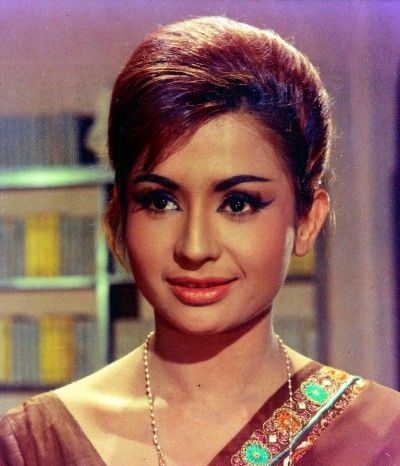
In the grand history of Indian cinema, few stars shine as brightly or as uniquely as Helen, the woman who redefined glamour, dance, and on-screen charisma. Billed as Bollywood's original cabaret queen, Helen was more than an actress-she was a phenomenon. How this struggling immigrant rose to become one of the most recognizable faces in Hindi cinema is testimony to her resilience, talent, and unbeatable screen presence. Even today, decades after she stepped away from the limelight, Helen remains an enduring cultural icon.
A Remarkable Beginning
Born Helen Ann Richardson on November 21, 1938, in Burma, now Myanmar, she was of mixed parentage: part Anglo-Indian, part Burmese. Her life started to take a dramatic turn during World War II when her family was forced to flee into India for fear of Japanese attacks. The migration and poverty she encountered during those early years set the course of her life. Destiny, however, had more in store: what began as a search for survival led her to the world of films.
Helen entered cinema as a group dancer in the early 1950s. It was choreographer B. Sohanlal who noticed her natural grace and expressiveness. The turning point came with the song "Mera Naam Chin Chin Chu" from the 1958 film Howrah Bridge. The number not only became iconic but turned Helen into a household name overnight. Her distinct, exotic look and magnetic dance style set her apart in an industry where she would soon become irreplaceable.
The Queen of Cabaret
Helen's rise coincided with a period when Bollywood was experimenting with Western music styles: jazz, cabaret, and rock-and-roll influences started finding their way into films. Helen became the face of this modern cinematic shift. She specialized in playing the lively, bold, and flamboyant characters that demanded high-energy dance performances and a touch of mystique.
Her cabaret numbers, with shimmering costumes, dramatic facial expressions, and fluid bodily movements, were something Bollywood had never witnessed before. Songs like:
"Piya Tu Ab To Aaja" (Caravan, 1971)
"Aa Jaane Jaan" (Inteqam, 1969)
"Yeh Mera Dil" (Don, 1978)
remain timeless classics, having collaborated with music composers like R. D. Burman and renowned singers like Asha Bhosle to create a signature style that none of the other performers could match.
Breaking Stereotypes and Creating a Niche
During the golden era of Bollywood, roles for women were often limited to either pure, demure heroines or villainous vamps. Helen carved a niche within this trope. She played the "cabaret girl" or "modern woman," but brought dignity and emotion to these performances. People never simply watched Helen for glamour; they admired her art.
Unique in her ability to reflect complex sentiments through dancing, she differentiated herself. Vulnerability, seduction, and mischief-things which Helen could do with utmost finesse. She had never overshadowed lead actresses; she complemented all the movies she acted in and often turned out to be an unforgettable factor.
Professional Longevity and Reinvention
Unlike most of her contemporaries, Helen had a very long and eventful career. From dominating the 60s and 70s, she segued smoothly into character roles in the 80s and 90s. Films like:
"Shalimar" (1978)
"Don" (1978)
"Khamoshi: The Musical" (1996)
She showed how capable she was of adapting and evolving. Filmmakers liked her professionalism and versatility, and audiences of different generations loved her.
In 1998, she received the Filmfare Lifetime Achievement Award for her services to Indian film. She was also awarded the Padma Shri, one of India's highest civilian awards.
A Personal Journey of Strength
Behind the glitter was a tale of personal struggle and survival. Helen was subjected to all the instability of migration, financial hardship, and pressure to sustain herself in a booming industry from an early age, yet she remained humble and grounded.
Her relationship with scriptwriter Salim Khan brought warmth into her life, too. Getting married and finding acceptance and love within the Khan family presents a beautiful and dignified chapter in her story. Today, she is respected as the gracious head of one of Bollywood's most influential families.
Legacy and Influence
Helen's influence on Bollywood is immeasurable. She paved the way for dancers and performers who wanted to incorporate Western styles with Indian rhythm. Generations have taken a cue from her style, right from Madhuri Dixit and Sridevi to Katrina Kaif and Nora Fatehi.
But beyond dance, her legacy lies in breaking barriers. She showed that a woman could be bold, glamorous, and expressive on screen without losing her respect or identity. She turned roles that were once considered side characters into unforgettable performances that shaped the film’s narrative.
Today, Helen's songs are regularly remixed, her dance sequences studied, and her fashion recreated. Younger audiences discover her through iconic film clips, proving that true artistry never fades.
Conclusion
The story of Helen's life is one of courage, resilience, and unmatched talent. Her style innovatively changed the landscape of Bollywood dance, while her artistry lifted the parts she played into iconic performances. Much more than a cabaret queen, she represents elegance, strength, and timeless artistry. Even today, Helen is a celebrated figure— a continuing testimony to a period when cinema indeed experimented with style and pure entertainment. Her legacy inspires on and on, proving that some stars really are eternal.
Image Credit: Pinterest



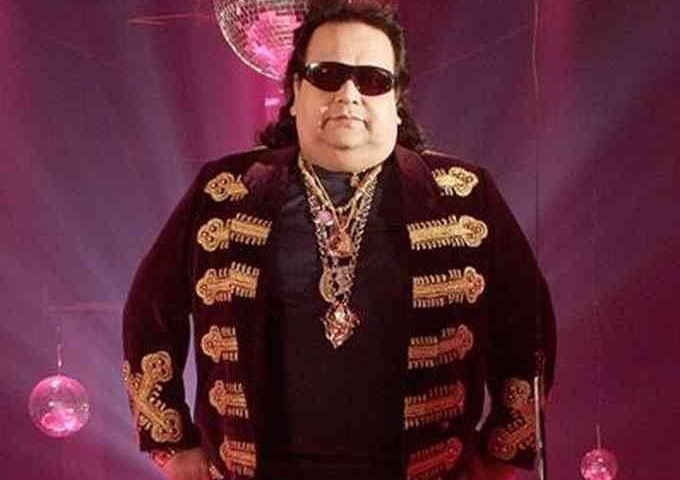
Bappi Lahiri, or affectionately called Bappi da, is one of the most effective and innovative composers in the history of Indian music. Over the course of five decades in his career, he revolutionized Bollywood with a modern, peppy sound that was never heard before. His songs captured the pulse of a changing India that was getting more vibrant, youthful, and ready to welcome global influences. Even today, years after his passing, his melodies continue to echo across generations, proving the timelessness of his genius.
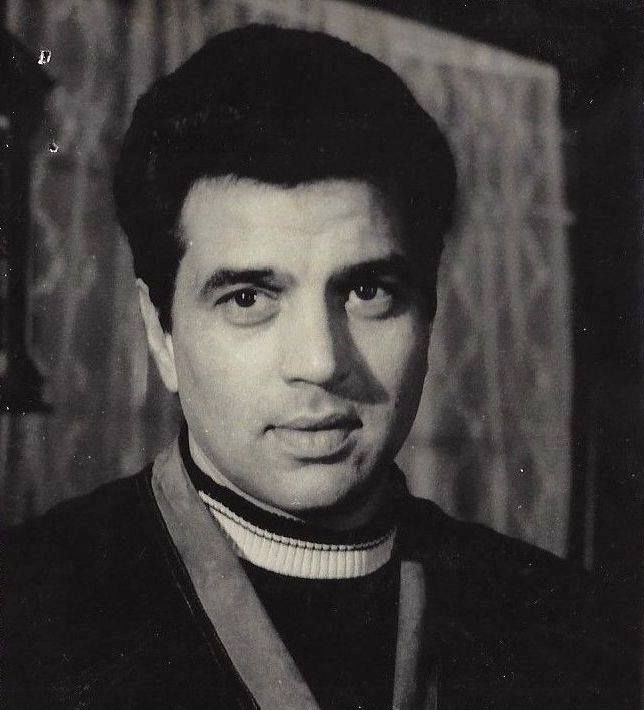
Few stars shine as luminously and as enduringly in the vast and vibrant tapestry of Indian cinema as Dharmendra, affectionately hailed as Bollywood's He-Man. Spanning decades, he remains not just an actor but an emotion, an era, and institution unto himself. From a small-town dreamer to one of the most celebrated and loved icons in film history, his journey is that of being dedicated, humble, and without doubt talented. While generations come and go, the charm of Dharmendra has remained timeless, refusing to pale even for a moment.
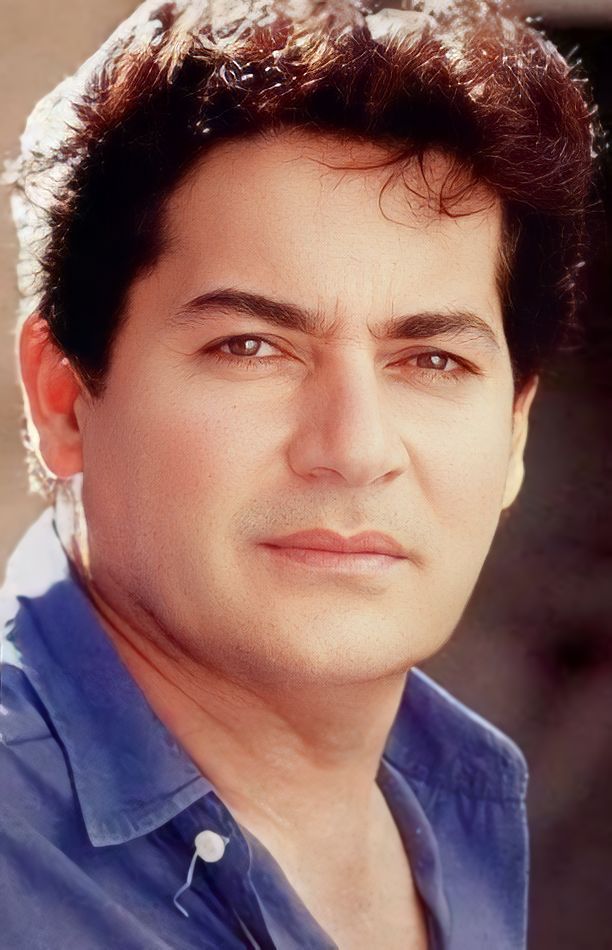
On making a mention of the icons who shaped Indian cinema, the name Salim Khan invariably comes to the top. While a lot of people today know him as the father of superstar Salman Khan, Salim Khan's journey itself in Bollywood is nothing less than extraordinary. He is among those rare personalities who transformed the very language of Hindi cinema and set new standards in storytelling.
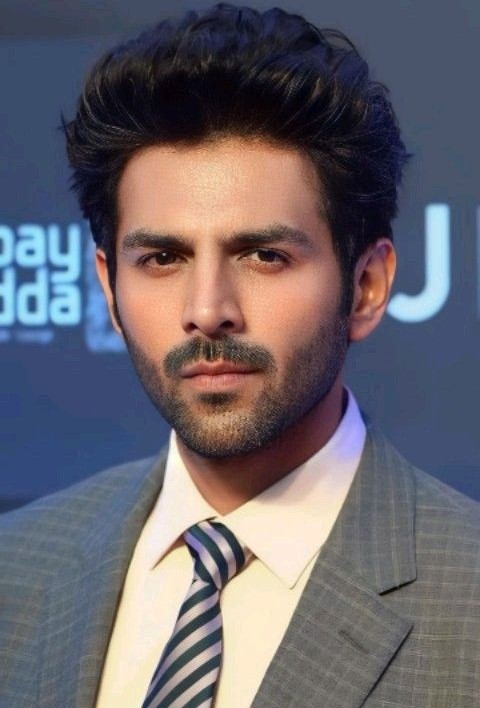
On 22 November every year, millions of fans worldwide come together to celebrate the birthday of one of Bollywood's most loved and bankable stars-Kartik Aaryan. With a career marked by sincerity, hard work, and a sparkling screen presence, Kartik has grown into a symbol of youthful ambition, middle-class determination, and cinematic charm. His journey-from a hopeful boy with dreams to a superstar who commands the screen-is not just inspiring but beautifully relatable.
Lights Camera Audition!
Don't miss out on the latest updates, audition calls, and exclusive tips to elevate your talent. Subscribe to our newsletter and stay inspired on your journey to success!